
what to expect during and after you build
By the time construction begins, you’ve likely spent months making decisions, refining details, and assembling the right team. At this stage, it’s easy to feel like the heavy lifting is done.
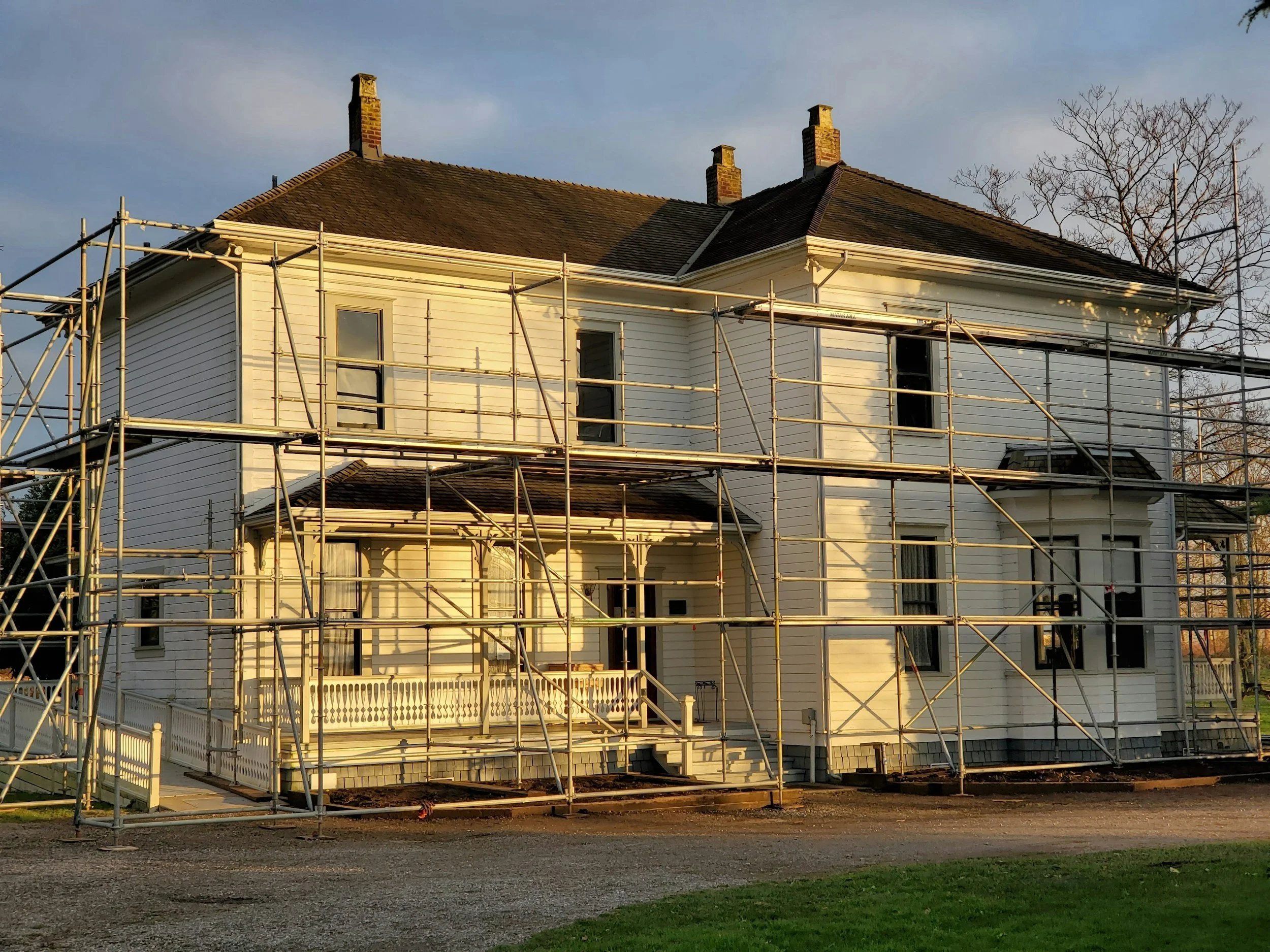
In reality, this is where a different kind of work begins; one rooted in trust, communication, and patience. below i have curated a few important notes to keep your build process as stress free as possible.

studiowideman: edisto collection
trust works both ways
As much as you are trusting your builder, architect, and consultants, they also need to trust you. Clear expectations and open communication upfront are essential on both sides. When everyone understands roles, responsibilities, and goals early, the process runs more smoothly and with far less stress.
Construction is collaborative. Questions will come up. Decisions will need to be made. The healthiest projects are the ones where dialogue remains open and respectful throughout. although this may seem like a given, the process of building a house for the first time, can turn out to be more work than you would have initially thought.
timelines, delays, and perspective
Yes, deadlines matter! Time matters! But it is important to know that construction is not a perfectly linear process, and unexpected situations are part of building, not a failure of it.
lets break this down.
Weather delays, material lead times, and on-site discoveries happen. While frustrating in the moment, it’s important to keep perspective. In the long run, being delayed a few days or even a few weeks is far better than rushing drawings, decisions, or construction and compromising quality. That said, this should not be confused with excuses or lack of accountability. Those can exist, too. This is why choosing the right team, and trusting them matters. A good team communicates openly, owns delays when they happen, and works proactively to protect the quality of your home.
This is your dream home. It should be done thoughtfully, not hurried.
quality over urgency
Rushed work often shows itself later — through maintenance issues, discomfort, or repairs that could have been avoided. Taking the time to resolve issues correctly during construction protects both the longevity of the home and your peace of mind.
if i had to choose one piece of advice for you to remember: Small delays are rarely worth the long-term cost of shortcuts.
warranties and what happens after move-in
Most contractors provide a one-year warranty covering workmanship and quality-related issues. This period is important. It’s your opportunity to live in the home, understand how it performs, and note anything that feels off.
Manufacturer warranties on products and systems often extend beyond this first year, but once the contractor’s warranty period ends, repairs related to workmanship typically become the homeowner’s responsibility.
the importance of the 11-month walkthrough
i strongly recommend scheduling a walkthrough around the 11-month mark WITH YOUR CONTRACTOR. TYPICALLY A GREAT contractors encourageS this, as well. This gives you time to observe the home through seasonal changes and identify any issues that may not have been apparent right after move-in.
If the problem isn’t urgent, it’s often helpful to document it and address it during this walkthrough. At this stage, the contractor can typically correct concerns under warranty, at no additional cost.
You’ve already paid for this care. Use it.
Many homeowners strongly recommend scheduling a walkthrough around the 11-month mark — and good contractors often encourage this as well. This gives you time to observe the home through seasonal changes and identify any issues that may not have been apparent right after move-in.
If the problem isn’t urgent, it’s often helpful to document it and address it during this walkthrough. At this stage, the contractor can typically correct concerns under warranty, at no additional cost.
You’ve already paid for this care. Use it.
